1124 Delafield St #291, Waukesha, WI, 53188Mon-Sun: 7:00 AM - 7:00 PM
Waukesha Roof Repair Pros Roofing Contractor in Waukesha, WI work in Waukesha, WI
Roof Repair · Waukesha, WI

Waukesha Roofing Contractor for Leaks, Ice Dams & Honest Roof Repair

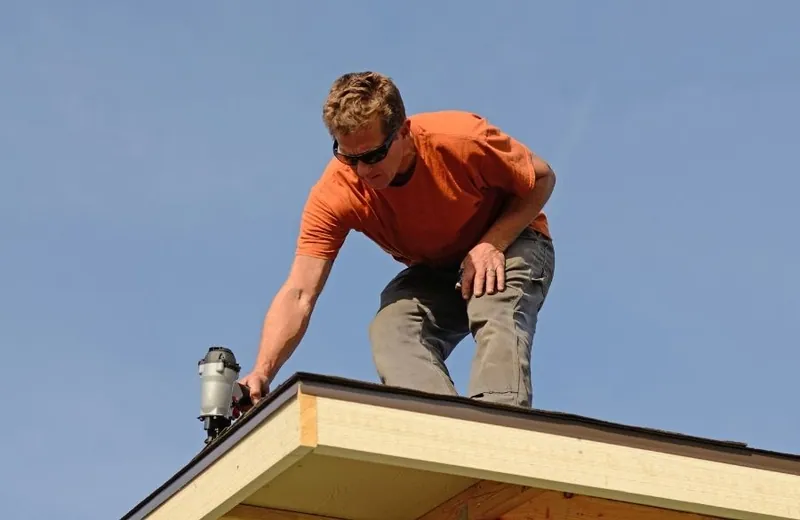
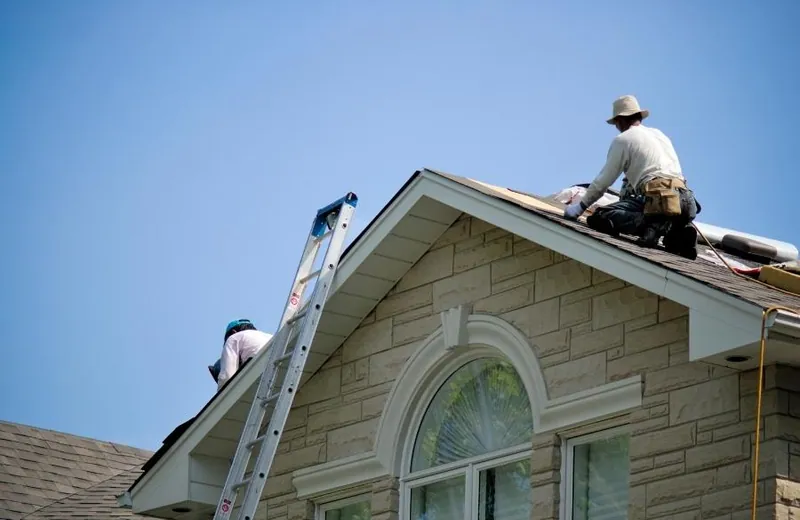
Waukesha roofs take a beating. In winter, snow melts on sunny afternoons and refreezes at the eaves overnight. Ice dams build up and push meltwater under shingles, so you get brown ceiling stains in February. Summer thunderstorms bring hail that bruises shingles and straight-line winds that peel ridge caps. Waukesha Roof Repair Pros was built for these problems. We fix leaks, reseal tired flashing, remove ice dams and replace missing shingles, and we trace every leak back to where it actually starts. Covering up the stain and hoping isn't how we work.

We work on everything from 1890s Victorians near the McCall Street Historic District to 1960s Cape Cods off Moreland Boulevard. Our crews also handle wooded lake homes around Pewaukee Lake, ranches in New Berlin and Brookfield, and the older homes in Elm Grove. Every issue we find gets photographed, so you see exactly what we see. You'll get a clear price before any work starts. If your roof is past saving, we'll say so plainly and walk you through your replacement options.

  • Bonded
  • Fully insured
  • Financing available
  • Serving homes within 20 miles of Waukesha
  • Photos of every issue we find
  • Upfront pricing before work begins
  • Quick scheduling for urgent leaks
Inspection tag · Waukesha

Inspection request

No obligation. Fast, honest quotes.

πŸ”’ Your information is never shared.

Why a local roofer

Why Waukesha Homes Need a Roofing Contractor Who Knows Southeast Wisconsin

A roof in Waukesha County deals with subzero cold, 40–50 inches of snow, summer hail and old housing stock, all on the same house. Knowing how these local conditions damage roofs is what separates a lasting repair from a patch you'll need again next spring.

Factor 01

Freeze-Thaw Winters, Heavy Snow and Summer Storms

Waukesha's January lows sit in the low teens, and most winters bring at least one subzero cold snap. The 2019 polar vortex pushed air temperatures toward -20Β°F. Many winter days still swing above and below 32Β°F, though. Snow melts off the warm upper roof by day and refreezes over the cold eaves at night. Do that for a few weeks and you have an ice dam that forces water under shingles and into soffits. Wet late-season snow piled on old packed snow adds heavy loads to porch roofs and low-slope additions. Summers bring humid 80Β°F days and most of the area's 34–36 inches of annual rain, usually in thunderstorms. Those storms carry hail and derecho-type winds. Over a year, a roof's surface temperature can swing about 150Β°F, which ages asphalt faster. In the wooded Kettle Moraine, leaves clog gutters, and that makes ice dams worse.

Factor 02

A Housing Stock Spanning 150 Years

Waukesha's 'Spring City' resort era left Queen Anne, Italianate and foursquare homes downtown. They have turrets, dormers, box gutters and plank sheathing, and some still have slate or cedar under several layers of shingles. The postwar boom filled Waukesha, Brookfield, Elm Grove, New Berlin and Butler with 1950s–70s ranches, Cape Cods and split-levels. Many of those have thin insulation and weak attic ventilation, which is how ice dams start. Pewaukee, Sussex, Hartland, Delafield and Muskego subdivisions built from the 1980s through the 2000s often have roofs that are now 20–35 years old and wearing out. Around the lakes, steep cedar and multi-valley roofs deal with shade and moss. Commercial buildings along Bluemound Road and I-94 have EPDM and TPO flat roofs.

Factor 03

Permits, Codes, HOAs and Historic Review

Wisconsin's Uniform Dwelling Code governs one- and two-family homes, but each municipality sets its own re-roofing permit rules. The City of Waukesha, Brookfield, New Berlin, Pewaukee and Muskego generally require a permit for full replacements and decking work. Wisconsin allows no more than two layers of asphalt shingles, so a roof that already has two needs a full tear-off. Code also requires ice barrier underlayment from the eave edge to at least 24 inches inside the exterior wall line. HOAs in Brookfield, Delafield, Hartland, Sussex and Muskego often limit shingle colors and styles. Designated properties in Waukesha's downtown and McCall Street historic districts may need design review before visible material changes. After storms, Wisconsin Statute 100.65 and ATCP 110 protect homeowners from storm-chaser tactics. They restrict how contractors handle insurance deductibles and require written contracts.

Factor 04

What Local Homeowners Expect

Waukesha County is one of Wisconsin's wealthiest counties and has a high homeownership rate. The City of Waukesha itself has a mix of working families, older homes and rental properties. Lake-area and Brookfield owners usually want premium materials and curb appeal. New Berlin, Muskego and Sussex families weigh value against long-term reliability. Rural owners in Vernon, Genesee and Wales also need outbuilding and metal roof work. Across all of them, people research online, ask neighbors on Nextdoor, and want documentation they can trust.

Services

Roofing Services Built for Waukesha's Weather and Homes

Repairs are our core work: leaks, flashing, storm damage and winter ice. We also handle replacements, metal, flat roofs and specialty materials when a home needs them. Here's how our services fit the roofs and conditions we deal with across Waukesha County.

Featured service

Roof Repair, Leak Detection & Roof Patching

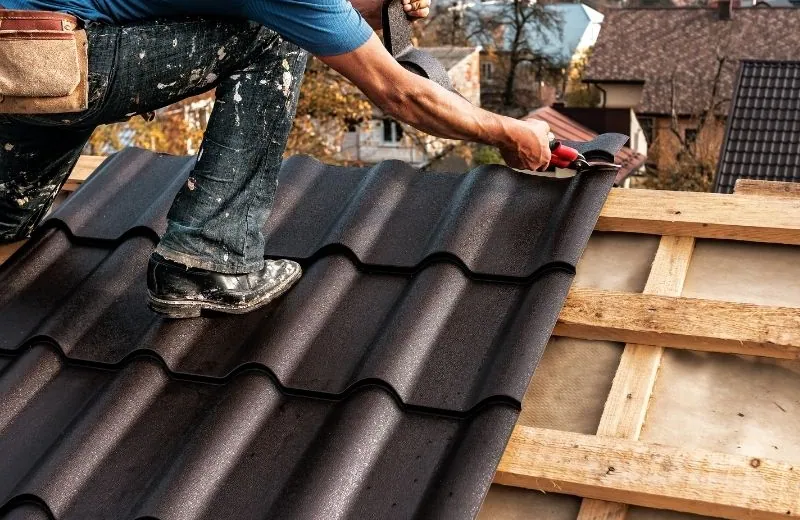
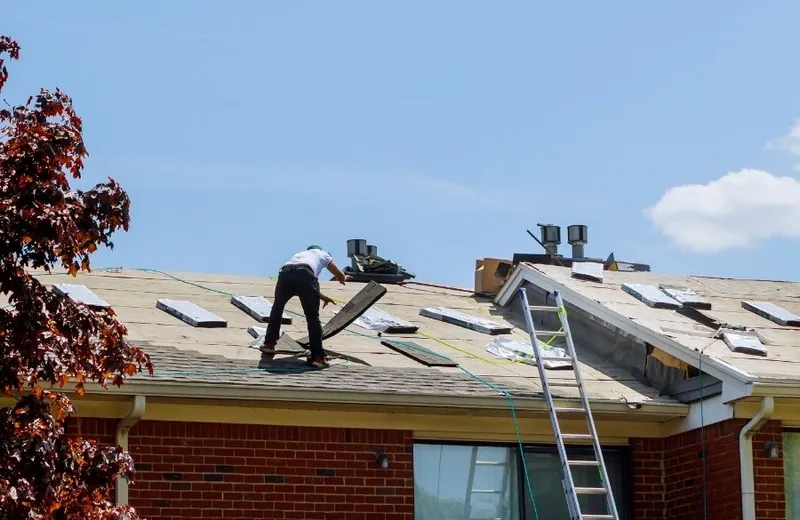
We trace each leak to where it actually starts. That's often well uphill from the ceiling stain. Then we fix the cause. The work covers shingle repair, roof patching, damage repair and leaks in any season, winter included.

How we do it: We do a visual inspection outside and in the attic, check for moisture, and water-test suspect areas. Matched shingles, sealed nail lines and new underlayment where needed keep the repair blended in and watertight.

Locally: In Waukesha, many leaks show up during thaw cycles, when ice backs water under shingles. We look at the eaves, valleys and penetrations together, so a January leak in a Moreland Boulevard Cape Cod doesn't come back in March.

Best for: Homeowners with ceiling stains, missing shingles, drips during storms or thaws, or a roof that still has years of life left but needs targeted fixes.

Get a quote →
Featured service

Ice Dam Removal, Heat Cable & Winter Roof Services

We remove ice dams, clear snow and ice from roofs and gutters, repair ice dam leaks and water damage, and install heat cable or heat tape where it actually helps.

How we do it: We use low-pressure steam that cuts channels through the ice without gouging shingles. We never use hammers or chisels. We also check attic insulation, ventilation and ice barrier coverage to address why the dams form.

Locally: With 40–50 inches of snow and constant freeze-thaw swings, Waukesha's postwar ranches and knee-wall Cape Cods get ice dams year after year. Heat cable along problem eaves in Brookfield or Elm Grove can stop a repeat leak.

Best for: Homes with active ice dams, winter ceiling leaks, heavy eave icicles, or a history of ice backups every February.

Get a quote →
Service 03

Flashing, Chimney & Skylight Leak Repair

We repair chimney flashing, skylight leaks, drip edge, step and counter flashing, and flashing on steel and metal roofs, wherever water gets in at a joint.

How we do it: We remove the failed caulk and tar and install properly lapped metal flashing. On wide chimneys we add crickets, and we reset skylight curbs. We cut counter flashing into mortar joints so it doesn't rely on surface sealant.

Locally: Historic chimneys in the McCall Street district and skylights on Nagawicka lake homes take constant temperature stress. Correct flashing holds up through 150Β°F of seasonal swing, and sealant alone doesn't.

Best for: Leaks around chimneys, skylights, vent pipes or walls, and water on hearths or skylight wells after rain.

Get a quote →
Service 04

Emergency Roof Repair & Tarping

When a storm, fallen branch or winter leak exposes your home, we schedule quickly, tarp or temporarily seal the opening, and plan the permanent repair.

How we do it: We secure heavy-duty tarps over undamaged areas so the fasteners don't create new leaks. We photograph the damage before and after, and we clear standing water and debris where it's safe to do so.

Locally: Summer derecho winds and branches falling on wooded Pewaukee and Delafield lots cause sudden openings. In winter, active ice dam leaks need fast containment before drywall and insulation are ruined.

Best for: Active leaks, storm-torn roofs, tree impacts, or any opening that needs protection before the next rain or snowfall.

Get a quote →
Service 05

Roof Inspection & Maintenance

We run thorough inspections, then handle the maintenance that keeps roofs going: resealing, clearing valleys, replacing loose shingles and checking gutters.

How we do it: We go slope by slope and photograph everything, check the attic for ventilation and moisture, and give you a written list of findings ranked by urgency.

Locally: Fall inspections before snow and spring checks after thaw catch freeze-thaw damage early. That matters for 20–35-year-old roofs in Sussex and Hartland subdivisions and for anyone filing a storm claim.

Best for: Homebuyers, owners of aging roofs, homeowners after a hailstorm, and anyone who wants to plan repairs instead of reacting to leaks.

Get a quote →
Service 06

Roof Replacement, Installation & Winter Replacement

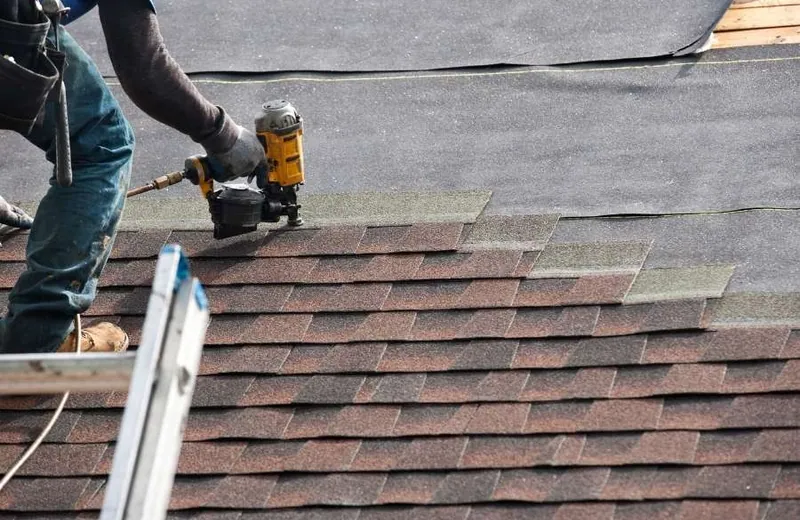
When repairs no longer make sense, we tear off and replace the roof or install a new one. That includes asphalt shingles, architectural shingles and 3-tab roofing.

How we do it: We do a full tear-off where code requires it, replace damaged decking, install ice barrier at least 24 inches inside the wall line, and add proper ventilation. Cold-weather installs use hand-sealing methods.

Locally: Wisconsin's two-layer limit means many older Waukesha homes need a full tear-off. Plank decking on historic homes often needs re-decking. We plan around local permits and HOA color rules in Brookfield and Muskego.

Best for: Roofs past 20–25 years, roofs with two existing layers, widespread storm damage, or repeated leaks across several slopes.

Get a quote →
Service 07

Metal Roofing: Standing Seam, Steel, Corrugated & Repair

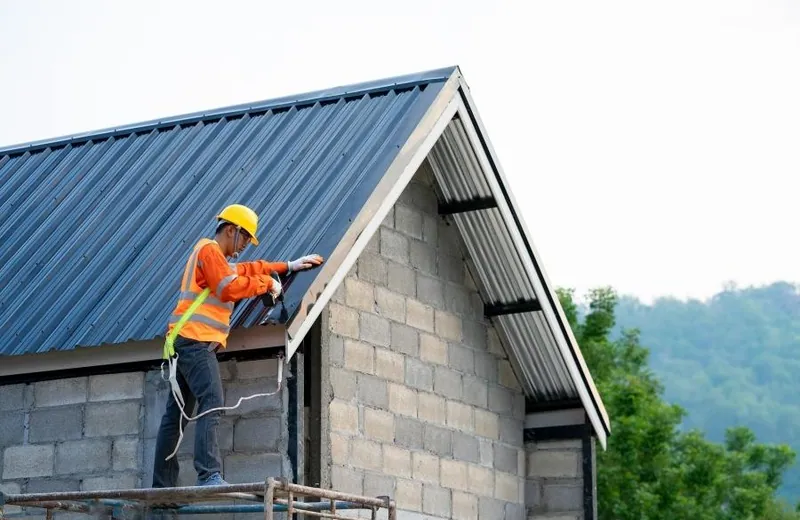
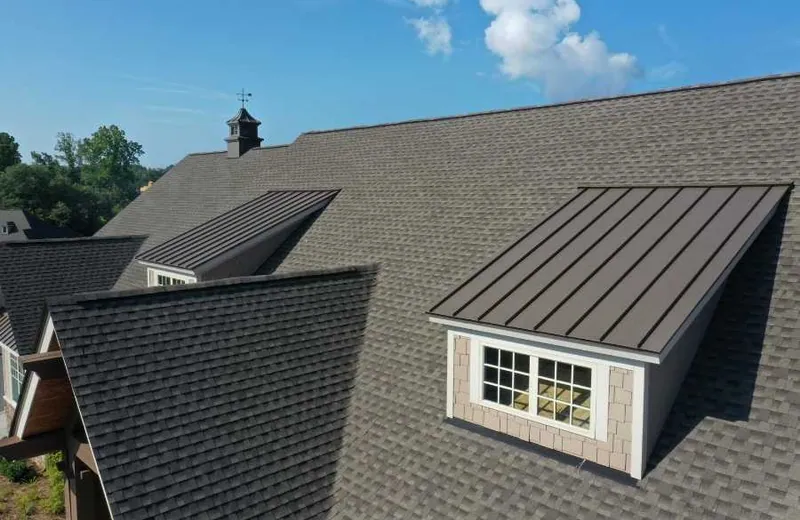
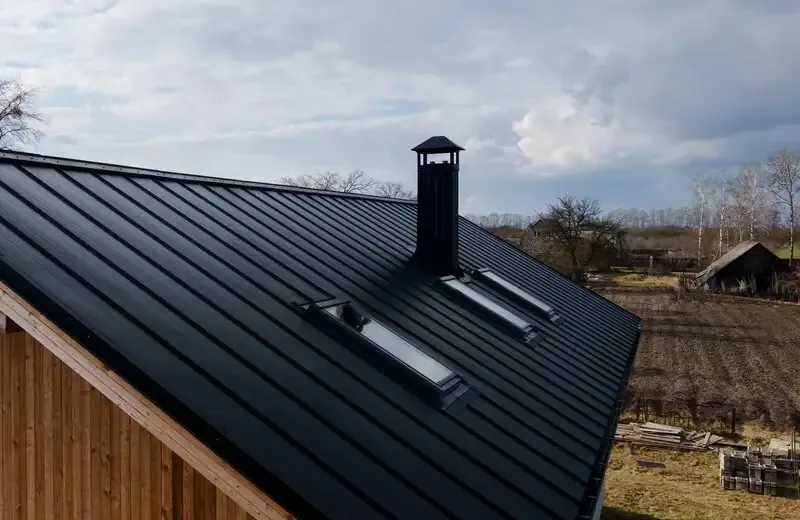
We install and repair residential metal roofing, standing seam, steel and corrugated panels, including metal accent roofs and outbuildings.

How we do it: We use concealed-fastener standing seam on homes and exposed-fastener corrugated steel for barns and sheds. Metal-specific flashing and replacing fasteners and washers keep the panels watertight.

Locally: Metal sheds snow well, which helps in Waukesha winters. Rural properties in Vernon, Genesee, Wales and Big Bend rely on metal for pole barns, and newer Sussex and Lannon homes use metal accent roofs.

Best for: Homeowners who want a long-life roof that sheds snow, and owners of farm buildings, garages and outbuildings.

Get a quote →
Service 08

Flat & Commercial Roofing: TPO, EPDM, Repair & Replacement

We repair and replace low-slope roofs, including TPO, EPDM rubber and flat roof systems, for commercial buildings, porch roofs and residential additions.

How we do it: We do seam welding and taping, patch punctures, correct drainage and replace membranes. We pay close attention to wall flashing and drains, where most flat roofs fail.

Locally: Buildings along Bluemound Road and I-94 and in Waukesha's industrial parks deal with snow load and freeze-up at drains. Keeping water moving off the roof is the priority.

Best for: Business owners, HOA and property managers, and homeowners with porch roofs or low-slope additions that pond water.

Get a quote →
Service 09

Roof Restoration, Coatings & Waterproofing

We apply roof coatings, waterproofing and restoration treatments to add years to sound roofs, especially flat and metal systems.

How we do it: We clean the surface, repair seams and fasteners, prime it, then apply elastomeric or silicone coatings at the manufacturer's specified thickness.

Locally: Coatings help Waukesha commercial and metal roofs handle UV in summer and freeze-thaw in winter. Restoration can push back a full replacement for a business on a budget.

Best for: Structurally sound flat or metal roofs with surface wear, minor leaks or aging membranes.

Get a quote →
Service 10

Specialty Roofing: Slate, Cedar Shake, Tile & Copper

We install and repair slate, cedar shake, tile and copper roofing for historic homes and premium lake properties.

How we do it: We hand-fit individual slates and shakes and use copper or stainless fasteners. For copper detailing, the seams are soldered or folded.

Locally: Some of Waukesha's Spring City-era homes still have original slate or cedar. Lake homes on Pine Lake and Okauchee often feature cedar shakes that need careful repair. Historic district rules may affect material choices.

Best for: Historic homes, high-end lakefront properties, and owners who care about curb appeal and authentic materials.

Get a quote →
Service 11

Soffit, Fascia, Ventilation & Gutter Guards

We install soffit and fascia, add roof ventilation and put in gutter guards to protect the roof edge and keep your attic healthy.

How we do it: We balance intake and exhaust ventilation, replace rotted wood, wrap fascia and fit gutter guards that are built for leaf-heavy lots.

Locally: Good ventilation is the long-term fix for ice dams in 1950s–70s Waukesha homes. Gutter guards cut down on clogs in wooded Kettle Moraine and lake neighborhoods.

Best for: Homes with rotted eaves, recurring ice dams, overheated attics or gutters that clog every fall.

Get a quote →
Common problems

Common Roofing Problems We See in Waukesha County

Most roof calls we take around Waukesha come back to a handful of problems caused by freeze-thaw winters, summer storms and the age of local homes. Here's what they look like, why they happen here, and how serious each one is, so you know when to act.

Waukesha Roof Repair Pros Roofing Contractor in Waukesha, WI project in Waukesha, WI (2)
Ice Dams and Winter Backup LeaksEmergency

An ice dam is a ridge of ice that forms at the eaves when attic heat melts the snow above it and the water refreezes over the cold overhang. Water then pools behind the ice and works up under the shingles. From there it gets into the decking, walls and ceilings.

Why it's common: Waukesha has a lot of winter days that cross 32Β°F, so the melt-and-refreeze cycle runs over and over from December through March. The 1950s–70s Cape Cods and ranches in Waukesha, Brookfield and New Berlin make it worse. Many have knee-wall attics, thin insulation and blocked soffit vents that let heat reach the roof deck. Gutters clogged with leaves in the wooded Kettle Moraine areas trap meltwater right at the eave. Roofs installed before ice barrier requirements often have nothing under the shingles to stop the backup.

Signs to look for:

  • Thick ice ridge along the gutters or eaves
  • Large icicles hanging from soffits
  • Water stains on ceilings near exterior walls
  • Damp or peeling paint on upper interior walls
  • Wet insulation or frost in the attic
  • Water dripping from soffit or behind gutters

Locally: We see the most ice dams in Cape Cods off Moreland Boulevard, postwar ranches in Elm Grove and Butler, and wooded homes near Pewaukee Lake. Calls spike in late January and February, especially after a heavy snowfall followed by a sunny warm-up.

Our fix: We steam off the ice safely, stop the active leak, and repair damaged shingles and decking. Then we fix the ventilation, ice barrier or heat cable problems behind it so it doesn't come back.

Hail and Wind Storm DamageSerious

Hail bruises asphalt shingles, cracks the mat underneath and knocks off the protective granules. Straight-line winds lift shingle tabs, break their seal strips and peel ridge caps. Even when nothing looks wrong from the ground, storm damage cuts years off a roof and often leads to leaks later.

Why it's common: Southeast Wisconsin gets regular severe-weather days from spring through late summer, and derecho-type wind events have crossed the region. Most of Waukesha's 34–36 inches of annual rain falls in these storms. Older 3-tab shingles on subdivision homes in Pewaukee, Sussex and Muskego are especially easy to lift. Storm waves also bring out-of-state contractors knocking on doors. That leaves homeowners needing an honest local assessment and good photos before filing any claim.

Signs to look for:

  • Missing shingles or shingle pieces in the yard
  • Granules piling up in gutters or downspouts
  • Dark circular bruises or dents on shingles
  • Lifted, creased or flapping tabs
  • Dented gutters, vents or metal flashing
  • Exposed or torn ridge caps

Locally: We see the most wind damage on open, exposed lots in Vernon, Genesee Depot and North Prairie. Hail claims cluster in Brookfield and New Berlin subdivisions after summer storm lines move east toward Milwaukee.

Our fix: We inspect slope by slope and photograph every hit. We replace damaged shingles and ridge caps, and we give you documentation you can share with your insurer.

Failed Chimney and Skylight FlashingSerious

Flashing is the metal and sealant that seals the joint where a roof meets a chimney, skylight, vent pipe or wall. When it pulls loose, cracks or the caulk dries out, water runs straight down into framing, ceilings and fireplace surrounds.

Why it's common: A roof surface here can swing about 150Β°F between January and July. All that expansion and contraction slowly forces flashing and sealant joints apart. Freeze-thaw cycles pry at old mortar joints in brick chimneys, which are common on Waukesha's historic homes and postwar ranches. Ice dams also back water up around skylights. Many older repairs used only tar or caulk instead of properly woven step and counter flashing, and those shortcuts fail within a few seasons.

Signs to look for:

  • Stains on the ceiling around a chimney or skylight
  • Water on the hearth or fireplace walls
  • Rusted, bent or loose metal flashing
  • Cracked caulk or tar smeared around penetrations
  • Damp drywall near a skylight well
  • Crumbling mortar at the chimney base

Locally: This is common on Victorian and foursquare homes in downtown Waukesha and the McCall Street district. Lake homes on Nagawicka and Okauchee often have multiple skylights, and those fail too. Problems usually show up during spring rains after a hard winter.

Our fix: We remove the failed sealant and install new step and counter flashing, or a cricket behind wide chimneys. We reseal skylight curbs and test the area with water to confirm it's dry.

Aging 1980s–2000s Subdivision RoofsModerate

Builder-grade 3-tab and early architectural shingles have a limited lifespan. Past about 20 years they curl, crack, lose granules and stop sealing, and leaks start popping up in different spots each storm.

Why it's common: Large subdivisions went up across Pewaukee, Sussex, Hartland, Delafield, Muskego and Merton from the 1980s through the 2000s. Many of those roofs are now 20–35 years old and wearing out at the same time. Decades of hot, humid summers and subzero winters speed up how fast asphalt dries out. Homeowners in these neighborhoods often need a straight answer on whether targeted repairs still make financial sense.

Signs to look for:

  • Curling or cupping shingle edges
  • Bald spots where granules have worn away
  • Cracked or brittle shingles
  • Repeated small leaks in different spots
  • Neighbors on the street replacing their roofs
  • Daylight visible through attic boards

Locally: We see this most in Sussex, Hartland and Muskego cul-de-sac neighborhoods and Pewaukee colonials. HOA color rules in many of these subdivisions affect which replacement shingles you can choose.

Our fix: We tell you honestly whether repairs will buy you real time. When replacement makes more sense, we lay out the options, price them upfront, and plan around permit and HOA requirements.

Moss, Algae and Cedar Shake DeclineMinor

Black algae streaks and green moss grow on shaded, damp roof slopes. Moss holds moisture against shingles and shakes, lifts their edges and speeds up rot. On cedar, it leads to splitting, cupping and soft spots.

Why it's common: Waukesha's humid summers and the heavy tree cover around Pewaukee Lake, Lake Nagawicka, Pine Lake and Okauchee keep north-facing slopes damp for days after rain. Falling leaves and needles pile up in valleys and gutters and hold even more moisture. The lake-area homes with cedar shake roofs are especially vulnerable.

Signs to look for:

  • Dark streaks running down shingles
  • Green moss clumps along edges or in valleys
  • Cedar shakes that are split, cupped or soft
  • Debris buildup in roof valleys
  • Overflowing or sagging gutters
  • Branches rubbing against the roof

Locally: This is concentrated on wooded lakefront lots in Delafield, Hartland, Nashotah and the Okauchee Lake area, and on Elm Grove's tree-lined streets. North-facing slopes under mature oaks are the usual trouble spots.

Our fix: We gently clean off the growth, replace failing shakes or shingles, clear valleys and gutters, and talk with you about maintenance or protective coatings.

Flat Roof Ponding and Membrane FailureSerious

Low-slope EPDM, TPO and modified-bitumen roofs depend on drainage and tight seams. Standing water, open seams, punctures and shrinking membranes all let water into the building below.

Why it's common: Winter snow loads on Waukesha's flat roofs get heavy, especially when wet spring snow lands on old packed snow and drains freeze shut. Over time, freeze-thaw stress opens seams. Heavy summer downpours overwhelm clogged drains and scuppers. Porch roofs and low-slope additions on older homes run into the same problems on a smaller scale.

Signs to look for:

  • Water standing 48+ hours after rain
  • Bubbles or blisters in the membrane
  • Open or lifting seams
  • Ceiling stains below the roof
  • Cracked or shrunken flashing at walls
  • Clogged drains or scuppers

Locally: We see this on retail and office buildings along the Bluemound Road corridor in Brookfield, light-industrial sites in Waukesha's industrial parks, and porch and garage additions on downtown Waukesha homes.

Our fix: We find and patch membrane failures, reseal seams, clear drainage, and recommend coatings or partial replacement when the membrane can't be saved.

Soffit, Fascia and Ventilation DamageModerate

Soffit and fascia boards close off the roof's edge and support the gutters. When ice backup or overflow rots them, moisture gets into the attic, critters find a way in, and the gutters sag. Blocked soffits also choke off the airflow your attic needs.

Why it's common: Ice dams send water behind gutters and into soffits winter after winter. In older Waukesha and Brookfield homes, painted wood fascia from the 1950s–70s often hasn't been maintained in decades. Insulation stuffed against soffit vents is common in postwar homes. It's one of the main reasons those homes get ice dams in the first place.

Signs to look for:

  • Soft, peeling or rotted fascia boards
  • Gutters pulling away from the house
  • Stains or sagging soffit panels
  • Birds, squirrels or wasps entering eaves
  • Attic feels hot in summer or frosty in winter
  • Mildew smell in the attic

Locally: This is typical on ranches and Cape Cods in Waukesha, Butler and New Berlin, and on box-gutter Victorians near downtown. Damage usually shows up after spring thaw.

Our fix: We replace rotted wood, install new soffit and fascia, open up ventilation paths, and add ridge or intake vents to keep the attic cold and dry.

How it works

Our Roof Repair Process, From First Call to Final Photo

We keep it simple. You'll know what we found, what it'll cost and when we'll be there, with photos at every step so nothing is left to guesswork.

1

Call or Request Service

Same day for urgent leaks; typically within a few days for inspections
  • Tell us what you're seeing: a stain, a drip, ice or storm damage
  • We ask about the roof's age, recent weather and past repairs
  • Urgent leaks and ice dams get prioritized
  • We set a time that works for you

Locally: Spring and fall book up quickly in Waukesha County. Calling early helps, especially after a regional hailstorm.

2

Inspection and Leak Tracing

About 45–90 minutes on site
  • Slope-by-slope roof inspection, including flashing, valleys and vents
  • Attic check for ventilation, insulation and moisture
  • We trace the leak to its true source
  • Every issue is photographed

Locally: In winter, we inspect the eaves, soffits and attic for the ice dam conditions behind most Waukesha leaks.

3

Clear Findings and Upfront Pricing

Usually same day or within 1–2 business days
  • You get the photos and a plain-language explanation
  • We give you a written, itemized price before any work
  • We give you honest repair-vs-replace guidance
  • We go over financing options if you'd like them

Locally: We note any permit, HOA or historic-district review your project might need, based on your municipality.

4

Repair or Installation Work

Most repairs in a single visit; replacements typically 1–3 days
  • Property protection around landscaping and siding
  • Repairs or installation done to Wisconsin code
  • Proper flashing, ice barrier and ventilation details
  • Daily cleanup with magnetic nail sweeps

Locally: In cold weather we hand-seal shingles, since self-seal strips need warmth to bond.

5

Final Walkthrough and Documentation

At job completion
  • After photos of the completed work
  • Water testing where appropriate
  • Walkthrough of what was done and why
  • Maintenance tips for Waukesha's winters

Locally: Your before-and-after photos are useful for insurance records and for future home sales.

Why choose us

Why Waukesha Homeowners Choose Waukesha Roof Repair Pros

We Know How Waukesha Roofs Fail

A leak in a 1960s Cape Cod in New Berlin doesn't have the same cause as a leak in an 1890s Queen Anne downtown. We know the local patterns. We know about knee-wall attics that feed ice dams, plank decking under old shingle layers, box gutters on historic homes, and moss on wooded lake lots near Pewaukee and Delafield. We work in our own backyard, so we see the same roof styles, the same storms and the same thaw cycles you do, and our repairs account for all of it.

We Fix the Source, Not Just the Stain

Most return leaks happen because someone patched the spot where water showed up instead of where it got in. We trace every leak to its origin, which might be a failed chimney flashing, an ice dam at the eave, a cracked vent boot or a valley packed with leaves. When ventilation or insulation is part of the problem, we tell you. For many Waukesha ice dam leaks, fixing airflow is what actually keeps the ceiling dry next February.

Photos of Every Issue

You shouldn't have to climb a ladder to trust your roofer. We photograph every problem we find, so you can see the damaged shingle, the gap in the flashing or the wet decking for yourself. Those photos also help with insurance conversations after hail or wind, and they give you a record for future buyers. It's the opposite of the storm-chaser approach, where homeowners get pressure and vague answers.

Upfront Pricing, No Surprises

Before any work begins, you get a clear, written price that spells out the scope. If we find something unexpected, like rotted decking under an old layer on a downtown Waukesha home, we stop, show you photos and talk it through before going further. That approach lines up with Wisconsin's home improvement rules on written contracts, and it's how we'd want our own homes handled.

Honest Repair-vs-Replace Advice

Our focus is repairs. If a roof has good years left, we'll fix it and say so. If it's past saving, like a 30-year-old subdivision roof in Sussex with widespread curling or a house that already has two layers, we'll explain why repairs would just waste your money. Then we'll walk through replacement options, materials and timelines without the hard sell.

Quick Scheduling for Urgent Problems

An active leak in a January thaw or a branch through the roof after a summer storm can't wait weeks. We prioritize urgent calls, tarp and contain damage fast, and schedule the permanent fix right away. Ice dam steaming, emergency tarping and winter leak repair are regular work for us, not something we squeeze in.

Bonded, Insured and Financing Available

We're bonded and insured, so your home and your investment are protected while we work. For larger repairs or full replacements, financing is available to help you handle an unplanned expense without putting off work that protects your home. With a 20-mile service radius around Waukesha, we're local and close enough to come back if you ever need us.

Local, Accountable Roofing You Can Verify

  • Bonded & Insured
  • Financing Available
  • Bonded
  • Insured
  • Financing available
Service areas

Roofing Service Areas Around Waukesha

We serve homeowners and property owners within a 20-mile radius of Waukesha. That covers historic city neighborhoods, the lake country communities and the rural towns of western and southern Waukesha County. Each area has its own roofs and its own problems, and we know them well.

Waukesha and the Eastern Suburbs

  • WaukeshaHistoric downtown, McCall Street homes and postwar neighborhoods along Moreland Boulevard
  • BrookfieldBluemound Road commercial roofs and established subdivisions with HOA rules
  • Elm GroveTree-lined streets with older ranches and Cape Cods prone to ice dams
  • New Berlin1960s–90s family homes and frequent summer hail claims
  • ButlerCompact postwar homes and light-industrial flat roofs

Lake Country and the North

  • PewaukeePewaukee Lake homes and aging 1980s–2000s subdivisions
  • DelafieldLake Nagawicka properties with steep, multi-valley roofs
  • HartlandLake Pewaukee shoreline homes and HOA neighborhoods
  • NashotahWooded lots with moss and cedar shake upkeep
  • MertonOkauchee Lake area homes and larger rural properties
  • Sussex and LannonNewer architectural shingle and metal-accent construction

South and West Rural Communities

  • MuskegoBig Muskego Lake homes and family subdivisions
  • Vernon and Big BendFarmhouses, pole barns and exposed, wind-prone lots
  • Genesee DepotKettle Moraine wooded properties and outbuildings
  • WalesRural homes with metal roofing and newer builds
  • North PrairieOpen-country homes facing strong storm winds
Pricing guide

Roof Repair and Replacement Costs in Waukesha

Roofing costs in Waukesha County depend on the roof, the materials and how much hidden damage is under the surface. Below are the factors that drive price and typical local ranges. After an inspection, you'll get an exact written price.

Estimate sheetWaukesha, WI
Line itemWhat's includedTypical range
Minor shingle or flashing repairReplace wind-lifted shingles or reseal a vent boot on a single-story Waukesha ranch$350 – $1,200
Ice dam steam removal and leak repairSteam channels along 40–60 feet of eave on a Brookfield Cape Cod, plus shingle repair at the leak$700 – $2,500
Chimney flashing rebuild with cricketNew step and counter flashing and cricket on a wide brick chimney on a downtown Waukesha foursquare$1,200 – $3,500
Full architectural shingle replacementTear-off of roughly 2,000–2,500 sq ft on a 1990s Pewaukee or Sussex colonial, with ice barrier and ventilation$12,000 – $22,000
Cost factorHow it affects your price
Scope and Source of the DamagePrimary FactorA few wind-lifted shingles are a quick fix. A leak that has soaked the decking, insulation and drywall below is a bigger job. Leaks that run through valleys or around chimneys often need flashing work too. Tracing the true source upfront keeps you from paying for a cheap patch now and a bigger repair after the next freeze-thaw cycle. Damage hidden under old layers on historic homes can also expand the scope.
Roof Complexity, Pitch and AccessPrimary FactorSteep Victorian roofs downtown with turrets and dormers, and multi-valley lake homes on Pewaukee or Nagawicka, take more time, safety equipment and skill than a simple ranch gable. Every extra chimney, skylight, valley or wall joint adds flashing and labor. Tight lots, mature trees and lakefront access can also affect staging and cleanup.
Material ChoiceMajor FactorAsphalt shingles are the most affordable option. Architectural shingles cost a bit more than 3-tab and last longer. Standing seam metal, cedar shake, slate, tile and copper cost significantly more, but they offer decades of life and premium curb appeal. HOA rules in Brookfield, Delafield or Muskego may narrow your choices, and historic districts may call for matching materials.
Tear-Off Layers and Decking ConditionMajor FactorWisconsin allows no more than two layers of asphalt shingles, so homes that already have two need a full tear-off and disposal. Older Waukesha homes often have plank sheathing with gaps or rot that needs re-decking with plywood or OSB. Decking replacement is usually priced per sheet, and you'll see photos before we replace any.
Season, Urgency and Code UpgradesSecondary FactorEmergency tarping, ice dam steaming and winter leak repair involve cold-weather labor and fast response, which affects pricing. Replacements also include code-required ice barrier and ventilation upgrades, plus any municipal permit fees. These items raise the upfront cost, but they prevent the ice dam damage that's so common here.

Financing is available for larger repairs and replacements, so you can protect your home now and pay over time. Ask about options during your estimate.

Fixing a $500 flashing leak today can prevent thousands in drywall, insulation and mold remediation after a Waukesha winter. Proper ventilation and ice barrier work pays off every February.

FAQ

Roofing Questions from Waukesha Homeowners

How much does roof repair cost in Waukesha?

Most minor roof repairs in Waukesha run about $350 to $1,200. That covers jobs like replacing a handful of wind-damaged shingles or resealing a vent boot. Chimney flashing rebuilds typically run $1,200 to $3,500, and ice dam steaming with leak repair is often $700 to $2,500. A full asphalt replacement on a typical 2,000–2,500 sq ft subdivision home usually lands between $12,000 and $22,000. The final price depends on pitch, access, materials, decking condition and how far water has spread. We photograph everything and give you a written price before any work begins, and financing is available for larger projects.

What should I do if an ice dam is causing a leak right now?

First, protect your interior. Put buckets under drips, move furniture away, and if a ceiling is bulging with water, carefully poke a small hole to drain it into a bucket. Don't climb onto an icy roof or chip the ice with a hammer or shovel. That damages shingles and causes falls every winter in Waukesha County. Call us for steam removal, which melts channels through the ice without harming the roof. Once the leak stops, we'll repair damaged shingles and look at the ventilation, insulation and ice barrier problems that caused the dam.

Do I need a permit to replace my roof in Waukesha?

Usually, yes. The City of Waukesha, along with Brookfield, New Berlin, Pewaukee and Muskego, generally requires a building permit for a full roof replacement or any structural or decking work. Rules vary between cities, villages and towns, so the specific municipality matters. Wisconsin code also limits asphalt roofs to two layers and requires ice barrier underlayment at least 24 inches inside the exterior wall. If you live in a subdivision with an HOA, or in a designated property in Waukesha's downtown or McCall Street historic districts, plan on approval or design review before visible material changes.

How long does a roof repair or replacement take?

Most roof repairs are finished in a single visit, often in a few hours. That includes shingle replacement, flashing reseals and leak repairs. Emergency tarping can usually happen quickly once we're on site. A full replacement on a typical Waukesha-area home usually takes one to three days, depending on size, layers being removed, decking repairs and weather. Complex Victorians or steep lake homes can take longer. Spring and fall fill up fast, and permit or HOA approvals can add time before work starts, so it's smart to call early if you're planning a replacement.

Should I repair or replace my roof?

Repair makes sense when the damage is isolated and the rest of the roof is sound, like a few missing shingles, one failed flashing or a single leak. Replacement usually makes more sense when shingles are curling, cracked or losing granules across several slopes, when leaks keep appearing in new places, or when the roof is 20–25+ years old. Many 1980s–2000s subdivision roofs in Pewaukee, Sussex and Hartland are hitting that point now. If your home already has two layers, Wisconsin code requires a tear-off. We'll show you photos and give you an honest recommendation.

How can I prevent ice dams on my Waukesha home?

Ice dams form when attic heat melts roof snow that then refreezes at the cold eaves. The lasting fix is keeping the roof deck cold. That means sealing air leaks into the attic, adding insulation, and making sure soffit intake vents aren't blocked by insulation and that ridge or roof vents can exhaust warm air. Keeping gutters clear of leaves before winter helps a lot, especially on wooded lots. On stubborn eaves, heat cable can keep drainage paths open. When we replace a roof, code-required ice barrier underlayment gives you another layer of protection if water does back up.

What should I watch for after a hail or wind storm?

Look for shingles or shingle pieces in the yard, granules collecting at downspouts, dented gutters or vents, and lifted or missing ridge caps. Hail bruises often aren't visible from the ground, so a close inspection matters. Be cautious with door-to-door contractors who show up after storms. Wisconsin Statute 100.65 restricts contractors from offering to cover or rebate your insurance deductible, and ATCP 110 requires clear written contracts. We'll inspect your roof, photograph any storm damage, and give you documentation you can share with your insurance company.

When should I call a roofer instead of waiting?

Call right away if water is dripping inside, a ceiling is stained or sagging, a tree limb has hit the roof, or a thick ice dam is building along your eaves. Those problems get worse with every rain or thaw. Schedule an inspection soon if you notice curling shingles, granules in the gutters, loose flashing, or moss on shaded slopes. Fall is the best time for a checkup before snow arrives in Waukesha, and spring is ideal for catching freeze-thaw damage. Small fixes now usually cost far less than water damage repairs later.

Get in touch

Get Your Waukesha Roof Leak Fixed for Good

Whether it's a February ice dam, a hail-bruised roof or a chimney that drips every spring, we'll find the real cause, show you photos, and give you a clear price.

  • Leak tracing to the true source, not just the stain
  • Photos of every issue we find
  • Upfront, written pricing before any work
  • Honest repair-versus-replace guidance
  • Quick scheduling for urgent leaks and ice dams
  • Bonded and insured crews
  • Financing available for larger projects

Serving Waukesha and communities within 20 miles, including Pewaukee, Brookfield, New Berlin, Elm Grove, Delafield, Muskego, Sussex, Vernon and Genesee Depot.

Active leak, ice dam or storm damage? Call now. Urgent problems get priority scheduling, including emergency tarping and winter leak repair.

Estimate request · Waukesha

Request Your Free Estimate

No obligation. Fast, honest quotes.

πŸ”’ Your information is never shared.

Find us

Serving Waukesha, WI & nearby

Business
Waukesha Roof Repair Pros
Address
1124 Delafield St #291, Waukesha, WI, 53188
Hours
Mon-Sun: 7:00 AM - 7:00 PM
Call nowFree estimate